Kokrajhar Museum

Author: moikikorim

Arms and ArmourEthnographic Collection

Shield

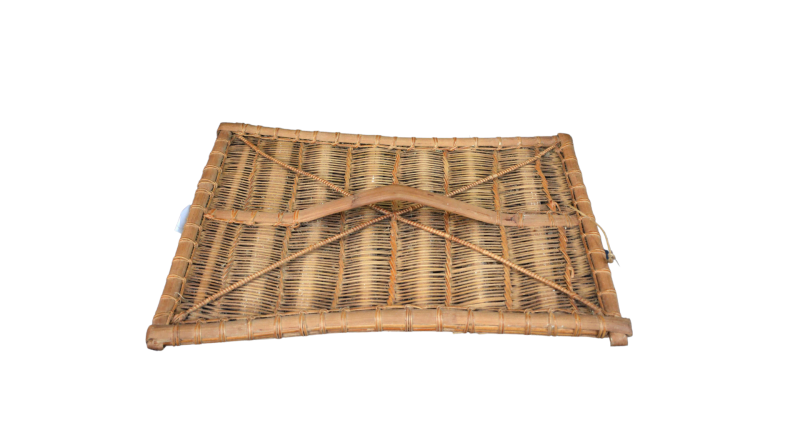
This is a shield of the Garo community made of bamboo and cane. The shield is of square shape, made of narrow slips of bamboo and worked across with narrow strips of cane crust or skin. The edges of the shield are strengthened with thick cane for holding the complete shield. The right side has a thick cane made curved handle which provide grasp for holding the shield. It also has two cane sticks hitched in cross way. It was used in warfare activities in the past. Nowadays these are used while performing their traditional dance or other ritualistic practices.

Read More
Arms and ArmourEthnographic Collection

Sword

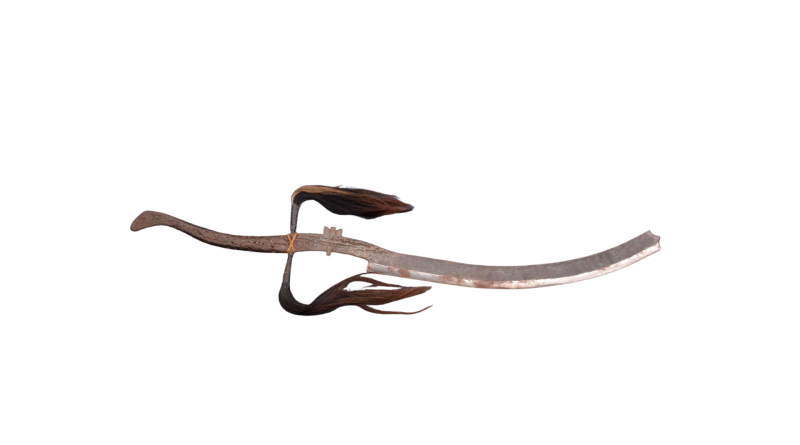
The Mu:lam is a sword of the Garo community. It is made of a single piece of iron from hilt to point having a curved single-edged blade. The hilt is recurved having a crossguard, and a fish-tail-shaped pommel. There are two chisel-like protrusions on the portion of the hilt between guard and blade. The hilt part of sword has some molds or curve while helps to hold the sword. Between the hilt part and blade, there is a bunch of cow’s tail-hair or yak’s tail-hair has attached. These are known to be used by the Garos for warfare activities. Nowadays these are used while performing their traditional dance or other ritualistic practices.

Read More
Arms and ArmourEthnographic Collection

Sword

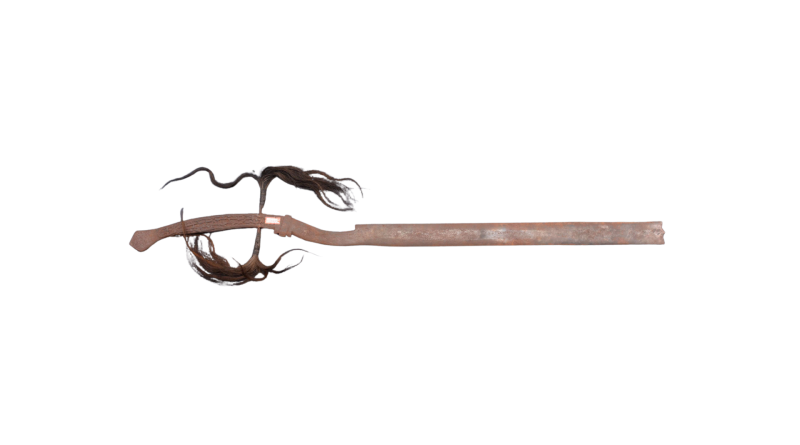
The Mu:lam is a sword of the Garo community. It is made of a single piece of iron from hilt to point having a straight double-edged blade. The hilt is recurved having a crossguard, and a fish-tail-shaped pommel. There are two chisel-like protrusions on the portion of the hilt between guard and blade. The hilt part of sword has some molds or curve while helps to hold the sword. Between the hilt part and blade, there is a bunch of cow’s tail-hair or yak’s tail-hair has attached. These are known to be used by the Garos for warfare activities. Nowadays these are used while performing their traditional dance or other ritualistic practices.

Read More
Agricultural ImplementsEthnographic Collection

Yoke

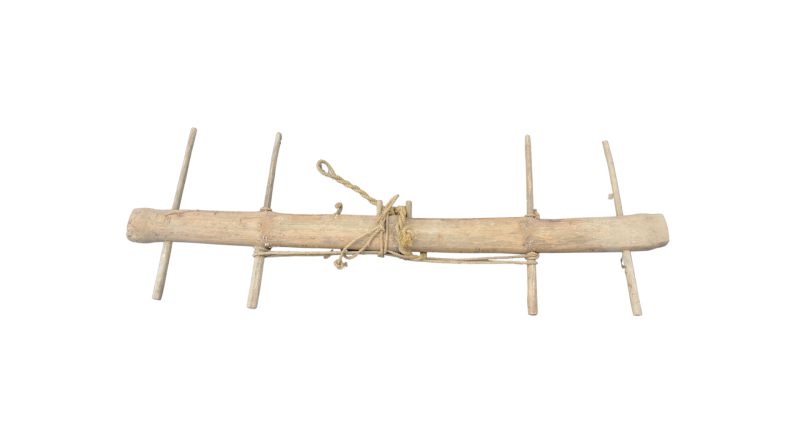
Generally, it is made out of bamboo or wood. This is an agricultural implement made of a long piece of wood. This is fixed across the necks of two animals such as bulls and buffalos so that they can pull the plough. This is an integral part of ploughing and bullock/buffalo cart.

This wooden (also of bamboo) bar is placed on the neck of the pair of oxen while ploughing horizontally, which is again attached to the dilagon of the nangal (plough) with the help of a jute rope known as lengra dirung. It is basically operated by male farmers.

Read More
Agricultural ImplementsEthnographic Collection

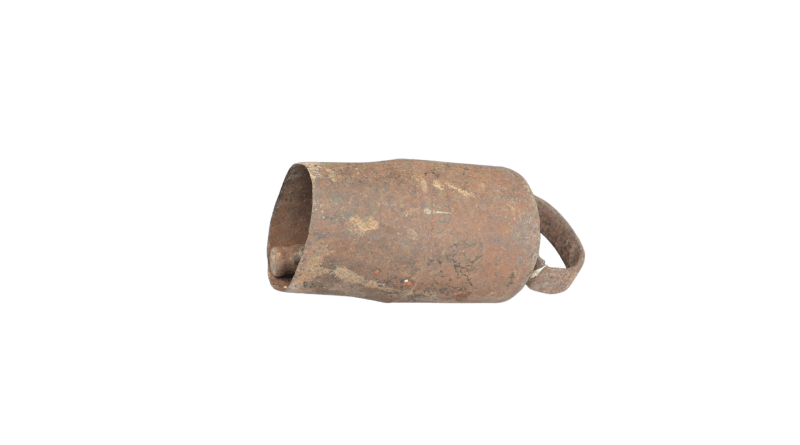
Cowbell

A cowbell is a bell worn around the neck of a cow or buffalo for keeping track of the animal based on the sound of the bell. These are mostly used for the cattle.
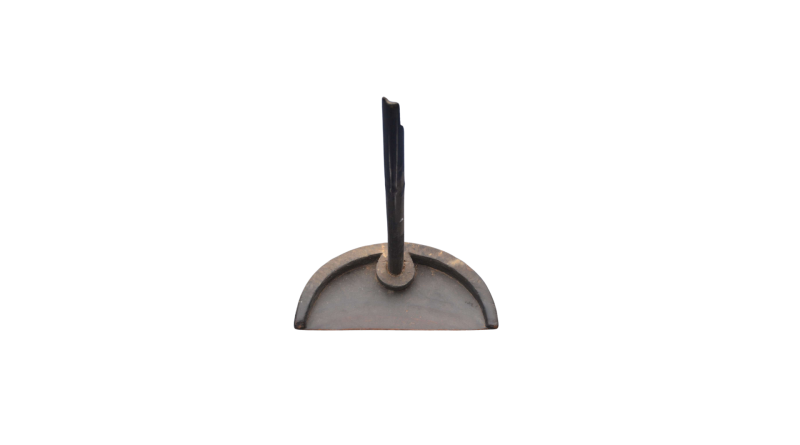
The cow bell is made of thin, flat pieces of plated sheet metal, particularly iron. A thread is used to tie the handle of the bell with the neck of the cattle. The clapper creates the sound while grazing by the animal. The size may vary depending on the species, sex, and age of animals.

Read More
Agricultural ImplementsEthnographic Collection

Rope with a bamboo post

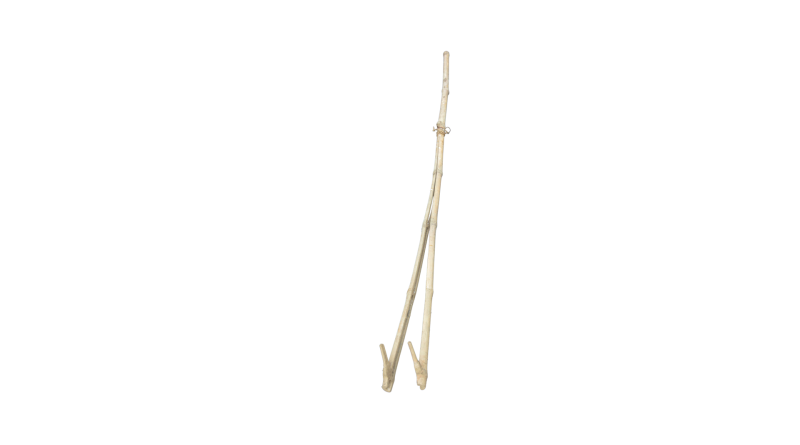
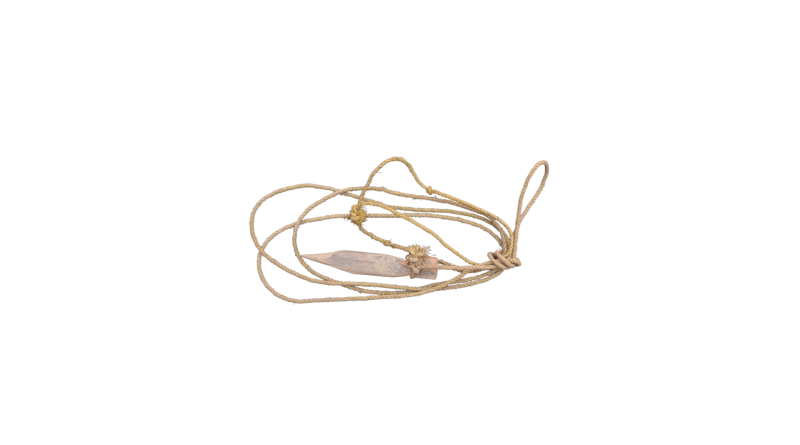
Eral is a long rope used to tie cows in the fields. It is attached to a small bamboo post fixed in the ground. This way cows are kept from straying away. The bamboo post is fashioned into pointed end having a shoulder-type feature for fixing the rope. The rope is also assisted with knots here and there to help the herders hold the rope without slipping. This rope is traditionally made of jute.

Read More
Don`t copy text!