Kokrajhar Museum

Author: moikikorim

Museum CollectionWeaving

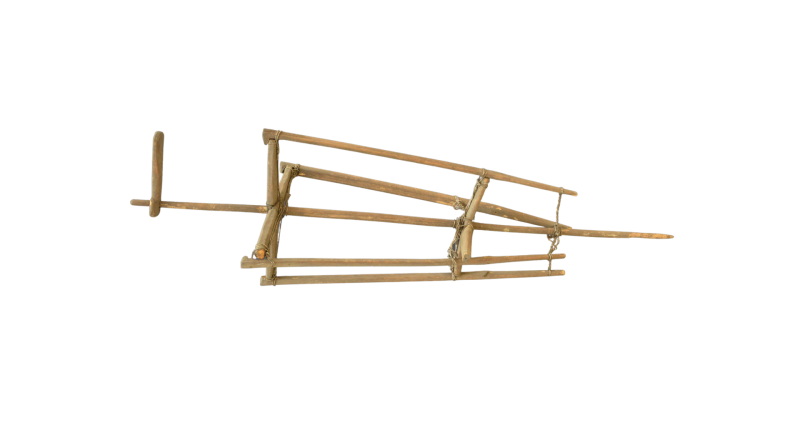
Shuttle

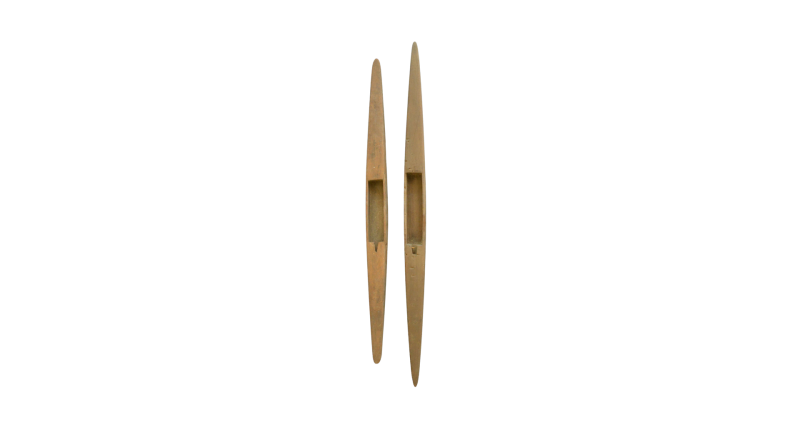
Makhu or shuttle is an integral part of the weaving process which consists of a wooden frame with an elongated hole in the midsection of the frame. Both the ends are tapered to form a pointed shape. Makhu is the weft carrier and helps in interlacement of the weft with the warp threads to form a cloth.

A spindle is attached within the elongated whole of the Makhu. In a hand loom, the shuttle carrying a bobbin, known as mahura or musra made of small bamboo tube for the weft is used for the weaving with the warp. The shuttle is operated with the hands on either side of the warp. In the process of weaving, the makhu is placed horizontally to the weft and pass over under the wrap threads by pushing and pulling and then thrown across the shed by hand releasing the weft yarn from bobbin.

Read More
Museum CollectionWeaving

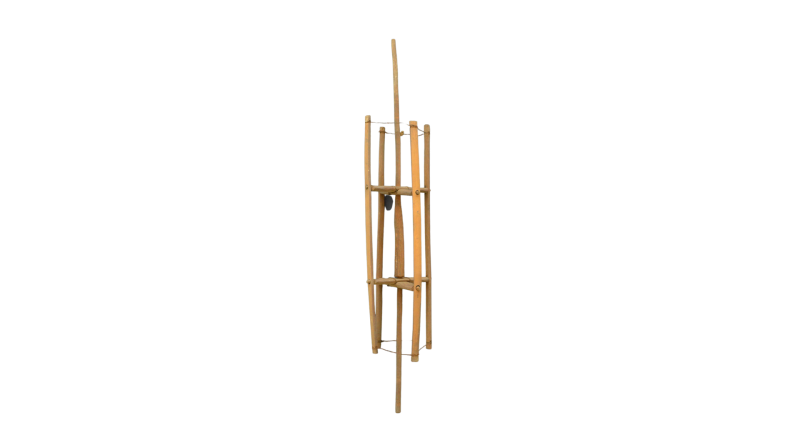
Yarn Swift

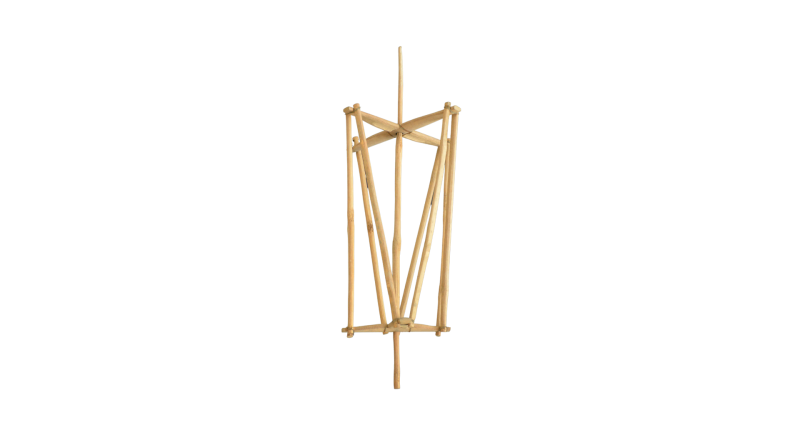
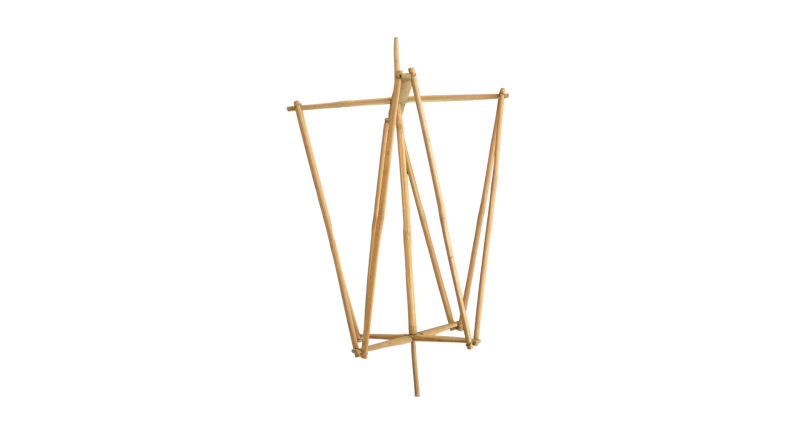
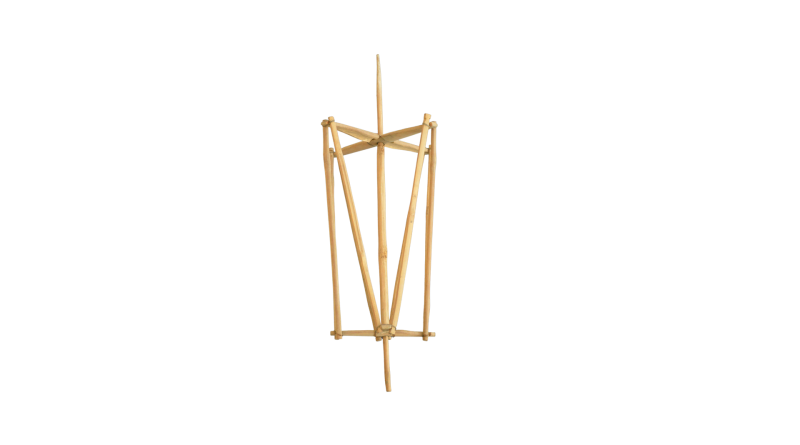
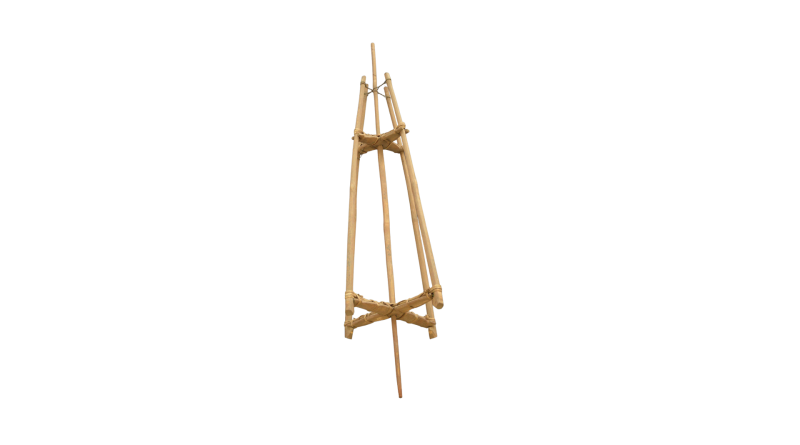
This is a bamboo thread spinning tool, used for yarn coiling, known as Danganatha. It is consisting of a central bamboo rod with a pointed end. The rod passes through four bamboo sticks, two each at two separate length of the rod. These sticks are again tied to the rod with threads. These four sticks again are connected by several other sticks running along the direction of the central rod. Generally, this cylindrical shaped spinning tool having a wooden handle is used to remove the knots of the thread with the help of a spinning wheel known as Zenther.

Read More
Museum CollectionWeaving

Yarn Swift

This is a bamboo thread spinning tool, used for yarn coiling, known as Natha. It is consisting of a central bamboo rod with a pointed end. The rod passes through four bamboo sticks, two each at two separate length of the rod. These sticks are again tied to the rod with threads. These four sticks again are connected by several other sticks running along the direction of the central rod.

Read More
Museum CollectionWeaving

Yarn Swift

This is a bamboo thread spinning tool or wheel contrivance used for yarn coiling, known as Swrkhi. It is consisting of a central bamboo stick with a pointed end. The stick passes through four other bamboo sticks, two each at two separate length of the rod. These sticks are again tied to the rod with threads. These four sticks again are connected by several other sticks running along the direction of the central rod. This tool is used to keep thread bunches prior to winding on the ugha, made of bamboo with the help of a spinning wheel known as Zenther.

Read More
Museum CollectionWeaving

Yarn Swift

This is a large bamboo thread spinning tool or wheel contrivance used for yarn coiling, known as Swrkhi. It is consisting of a central bamboo stick with a pointed end. The stick passes through four other bamboo sticks, two each at two separate length of the rod. These sticks are again tied to the rod with threads. These four sticks again are connected by several other sticks running along the direction of the central rod. This tool is used to keep thread bunches prior to winding on the ugha, made of bamboo with the help of a spinning wheel known as Zenther.

Read More
Museum CollectionWeaving

Yarn Swift

This is a bamboo thread spinning tool or wheel contrivance used for yarn coiling, known as Swrkhi. It is consisting of a central bamboo stick with a pointed end. The stick passes through four other bamboo sticks, two each at two separate length of the rod. These sticks are again tied to the rod with threads. These four sticks again are connected by several other sticks running along the direction of the central rod. This tool is used to keep thread bunches prior to winding on the ugha, made of bamboo with the help of a spinning wheel known as Zenther.

Read More
Museum CollectionWeaving

Yarn Swift

This is a bamboo thread spinning tool, used for yarn coiling, known as Natha. It is consisting of a central bamboo rod with a pointed end. The rod passes through four bamboo sticks, two each at two separate length of the rod. These sticks are again tied to the rod with threads. These four sticks again are connected by several other sticks running along the direction of the central rod.

Read More
Don`t copy text!